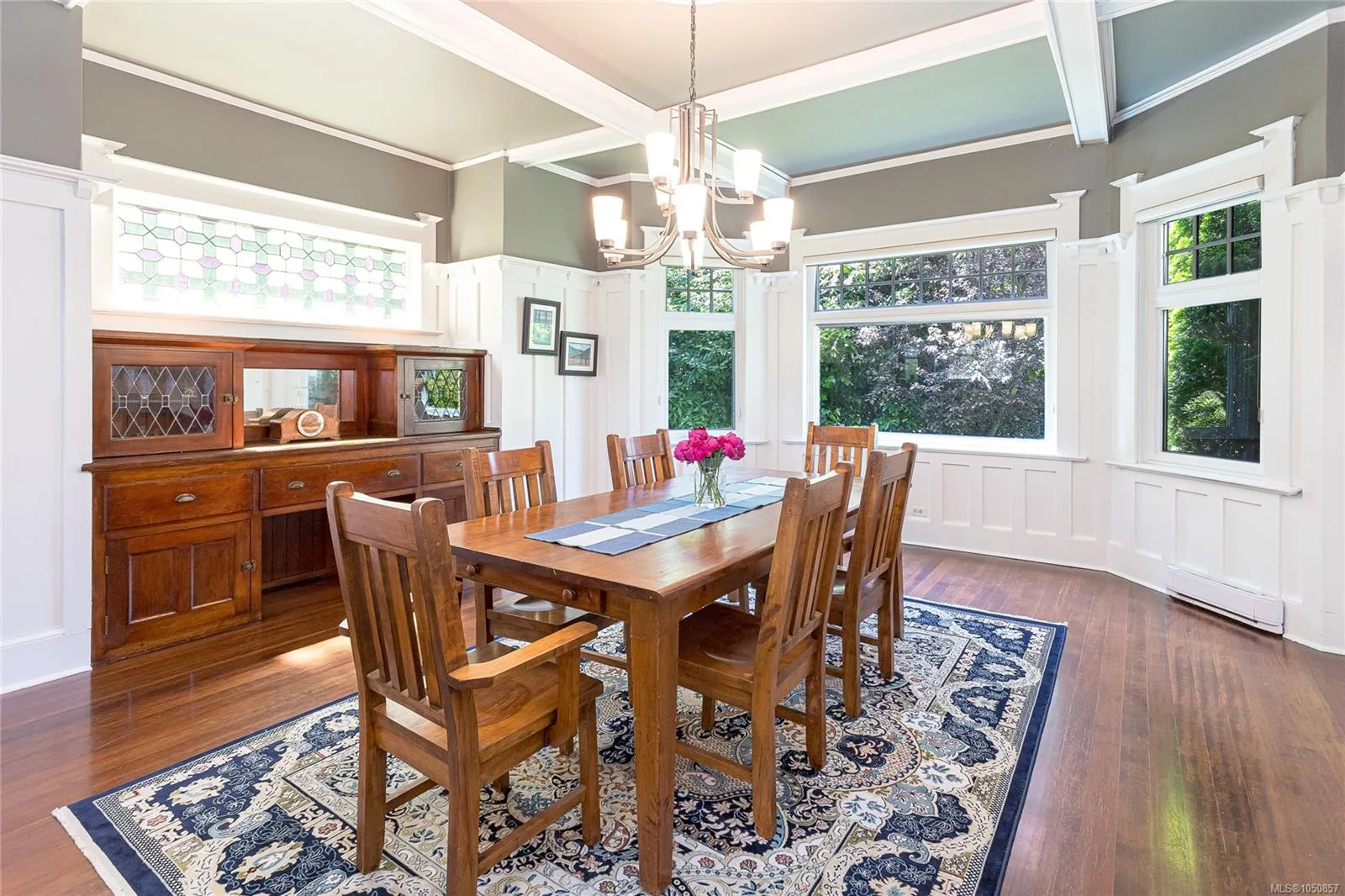
The yearly tax steps for a new owner in Victoria, Saanich and Oak Bay: the vacancy tax declaration, property tax due dates, the home owner grant and the assessment notice.
The yearly tax steps for a new home owner in Victoria, Saanich, Oak Bay and the rest of the Capital Region: the speculation and vacancy tax, property tax, the home owner grant and the assessment notice.
Updated
Kingsbury Real Estate Team wrote this page as general information for British Columbia. Use it to prepare your questions. A lawyer or notary answers legal questions about your purchase or sale, an accountant answers tax questions, and your lender answers mortgage questions.
Which tax dates come with owning a home here?
Owning a home in Greater Victoria brings a yearly set of dates from the Province, BC Assessment and your municipality. Several of the letters arrive months after you complete, so put these dates in your calendar on completion day.
A homeowner's tax year, using the 2026 dates
When
What happens
Who sets it
Early January
Your assessment notice arrives; the value is as of July 1 of the year before
BC Assessment
January 31
Last day to ask for an independent review of your assessment
BC Assessment
Mid-January to mid-February
Your speculation and vacancy tax declaration letter arrives
Province of B.C.
March 31
Speculation and vacancy tax declaration due, for each owner
Province of B.C.
By the end of May
Property tax notice arrives; Victoria asks you to call if it has not
Your municipality
July 2, 2026
Property tax due in Saanich and Victoria; claim the home owner grant before this
Your municipality and the Province
First business day in July
Speculation and vacancy tax payment due, if you owe it
The speculation and vacancy tax is a yearly provincial tax based on how owners use homes in designated areas. Almost all of Greater Victoria is in a taxable area. The Province lists every municipality in the Capital Regional District that is covered.
Reserve lands, treaty lands and lands of self-governing Indigenous Nations are outside the taxable areas. So are islands that can be reached only by air or water, with Vancouver Island itself as the exception.
Every owner of a home in a taxable area must declare every year, even when nothing has changed and even when the owner lives in the home. The Province requires a separate declaration from each owner on title, including spouses and relatives. You cannot declare until your letter arrives, which happens from mid-January to mid-February.
The declaration is due March 31. If you owe tax, you pay it by the first business day in July. The Province adds a 10% penalty, plus interest, on any balance after the due date. An owner who does not declare is taxed at the maximum rate.
If no letter has arrived by mid-February, contact the Province well before the March 31 deadline. The letter is the only way to start your declaration.
The rate depends on who you are. From the 2026 tax year, it is 1% of the assessed value for Canadian citizens and permanent residents who are not untaxed worldwide earners, and 3% for foreign owners and untaxed worldwide earners, a group that includes members of satellite families. With shared ownership, the tax is split by each owner's share. A corporation or trust pays the highest rate that applies to any of the people behind it.
An owner who lives in the home may qualify for one of the exemptions below. The exemption is claimed in the yearly declaration, so the owner still has to declare.
Speculation and vacancy tax rates
Owner
2019 to 2025 tax years
From the 2026 tax year
Canadian citizen or permanent resident, not an untaxed worldwide earner
0.5%
1%
Foreign owner or untaxed worldwide earner
2%
3%
Principal residence: an owner who lives and works in B.C. and whose main home it is; with more than one home, only the one lived in longest that year
Year of purchase: only if you paid property transfer tax or qualified for a listed exemption, such as the first time home buyers' exemption
Year of inheritance: the year you legally inherit the property
Tenancy: a tenant lives in the home for at least six months of the calendar year
What if I buy with a partner, a company or a trust?
When two or more people own a home, each owner declares for the speculation and vacancy tax separately, and any tax is split according to each owner's share.
A corporation, a trustee or a partnership pays the highest rate that applies to any of the people with an interest in it. Buying through a company or a trust changes more than this one tax, so get advice from a lawyer or an accountant before you choose how to hold title.
Property tax in Saanich and in the City of Victoria is due on July 2, 2026. In Saanich, a 5% penalty is added to the unpaid balance after July 2, and another 5% after September 2. Each municipality sends its own notice, so check the date on yours. The City of Victoria asks owners to contact it if no notice has arrived by the end of May.
Your lawyer or notary prepares a statement of adjustments before completion. It settles costs such as property tax between you and the seller as of the adjustment date in your contract. Read it before you sign, and keep it with your tax papers.
To pay through online banking in Saanich, use the nine digit folio number on the notice as the account number. Saanich warns that paying the wrong municipality leads to a penalty unless it is corrected before the due date, which matters if you moved from another part of the region and still have the old payee saved.
The home owner grant lowers the property tax on your main home. You apply to the Province every year, online or by phone. Saanich and Victoria both state that municipalities no longer accept these applications. Apply before the July 2 due date to avoid penalties and interest on the grant amount.
You must live in the home when you apply, apart from the special cases the Province lists, and only one grant can be claimed for a property each year. A buyer can claim the grant in the year of purchase if the seller did not claim it that year, the buyer did not get it on another property that year, and the buyer lives in the home. The amounts and the value limit change each year, so check the Province's page before you count on a figure.
BC Assessment mails a notice to every owner on December 31, and most owners receive it in early January. The value on it is BC Assessment's estimate of market value as of July 1 of the year before, and it reflects the physical condition of the home as of October 31. Your municipality applies its tax rate to that value, so the assessed value is the base of the property tax bill that follows.
To ask for an independent review by a Property Assessment Review Panel, file a written notice of complaint with the assessor by January 31.
Property transfer tax is paid once, when the home is registered in your name. It is based on fair market value on the day of registration. The general rates are 1% on the first $200,000, 2% on the part up to $2,000,000 and 3% above that, with a further 2% on residential value above $3,000,000. You or your lawyer or notary file the return.
A made-up example: on a $900,000 home, the general tax is 1% of the first $200,000, which is $2,000, plus 2% of the remaining $700,000, which is $14,000, for $16,000 before any exemption. Use the Province's online calculator for your own figure, and have your lawyer or notary confirm it.
Paying this tax, or qualifying for an exemption from it, is also what makes you eligible for the vacancy tax exemption in your year of purchase. Keep a copy of the filed return with your purchase papers.
Is my home in Saanich or Oak Bay covered by the speculation and vacancy tax?
Homes in Saanich and Oak Bay are in a taxable area for the speculation and vacancy tax. The Province lists 13 municipalities in the Capital Regional District, including Victoria, Esquimalt, View Royal, Central Saanich, North Saanich and Sidney. Reserve and treaty lands are excluded, as are islands reached only by air or water. Owners in taxable areas declare every year.
Do I have to declare for the vacancy tax if I live in my home?
Owners who live in their home still have to declare for the speculation and vacancy tax every year. The declaration is how you claim the principal residence exemption, which applies to an owner who lives and works in B.C. The Province requires a declaration by March 31 even when nothing has changed, and an owner who does not declare is taxed at the maximum rate.
Does each owner on title make a separate vacancy tax declaration?
Each owner on title makes a separate speculation and vacancy tax declaration. The Province states that a declaration must be made for each co-owner, even when the other owner is a spouse or relative. Each owner receives a letter from mid-January to mid-February and cannot declare before it arrives. The deadline for every owner is March 31.
What are the speculation and vacancy tax rates for 2026?
From the 2026 tax year, the speculation and vacancy tax rate is 1% of assessed value for Canadian citizens and permanent residents who are not untaxed worldwide earners, and 3% for foreign owners and untaxed worldwide earners. The rates for 2019 to 2025 were 0.5% and 2%. An owner who lives and works in B.C. may be exempt for a principal residence.
Am I exempt from the vacancy tax in the year I buy?
A new owner can claim a year of purchase exemption from the speculation and vacancy tax, but only if they paid property transfer tax on the purchase or qualified for a listed exemption from it, such as the first time home buyers' exemption. The Province sets this condition. You still declare for that year, and the exemption is claimed in the declaration.
When is property tax due in Saanich and Victoria in 2026?
Property tax in both Saanich and the City of Victoria is due on Thursday, July 2, 2026. Payment must be received by that date to avoid a penalty, including payments made through a bank. Victoria asks owners to contact the City if a notice has not arrived by the end of May. Claim the home owner grant with the Province before the due date.
What is the penalty for paying Saanich property tax late?
Saanich adds a 5% penalty to the unpaid current balance after July 2, 2026, and a second 5% after September 2, 2026. The penalties apply to all property classes. Saanich also warns that paying another municipality by mistake leads to a penalty unless it is corrected before the due date. Use the nine digit folio number from your notice when you pay online.
You apply for the home owner grant to the Province of British Columbia, online or by phone. Saanich and the City of Victoria both state that municipalities no longer accept home owner grant applications. Apply every year, before your property tax due date, to avoid penalties and interest on the grant amount. Only one grant can be claimed for a property each year.
Can renting out my home exempt it from the vacancy tax?
Renting out a home can exempt it from the speculation and vacancy tax when a tenant lives in it for at least six months of the calendar year. The Province sets out the tenancy requirements on its exemption pages. The owner still declares by March 31 and claims the exemption in the declaration. Keep the tenancy agreement and rent records in case the Province asks.
What happens if I miss the vacancy tax declaration deadline?
An owner who misses the speculation and vacancy tax declaration is taxed at the maximum rate, according to the Province. Tax that is owed must be paid by the first business day in July, and a 10% penalty plus interest applies to any balance after that date. If your letter has not arrived by mid-February, contact the Province before the March 31 deadline.
 Real Estate TeamLet's talk