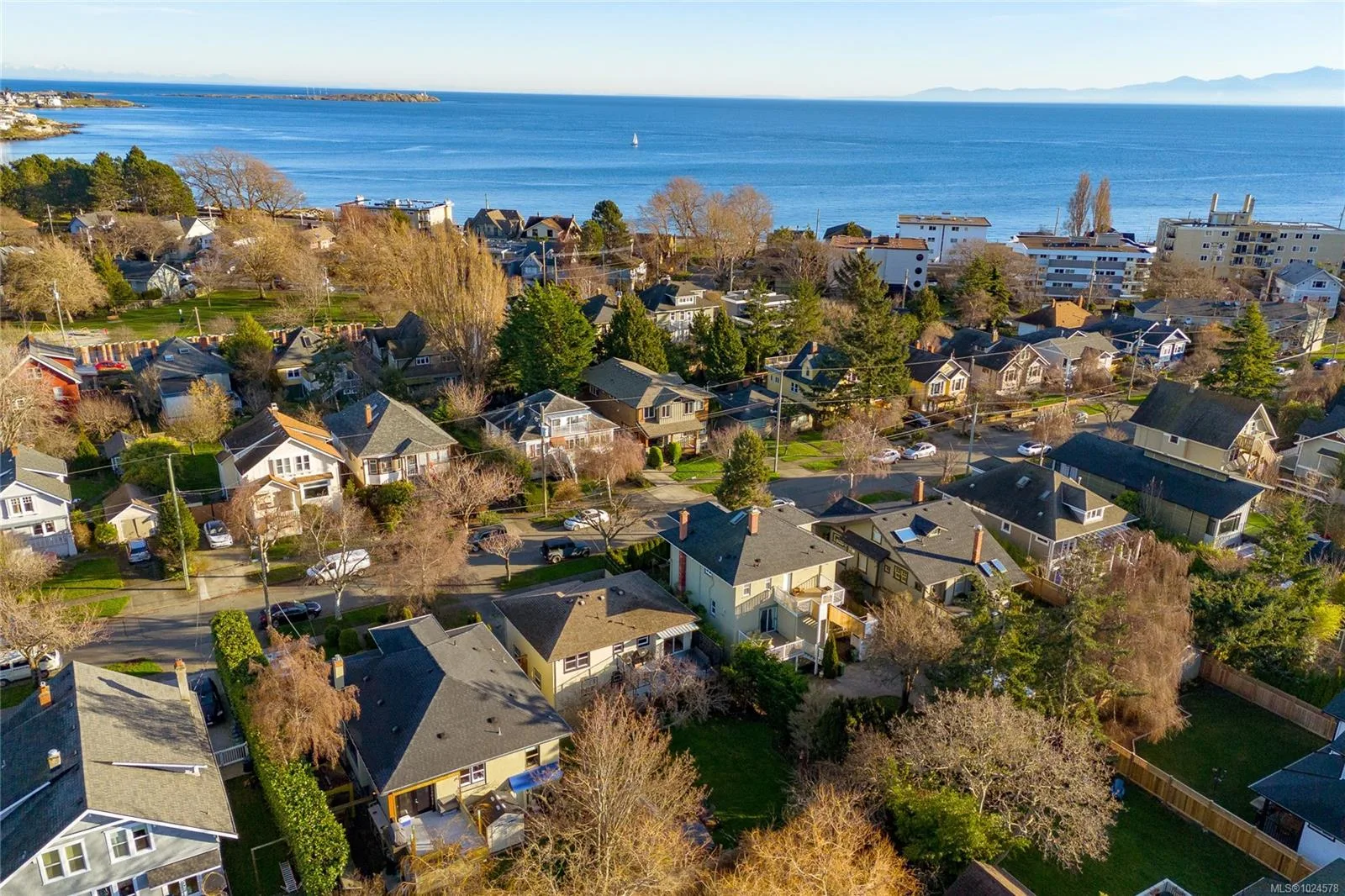
What your agent owes you, what a buyer's agency agreement says about commission and its term, dual agency, teams, and buying without an agent.
Representation for a home buyer in British Columbia: a licensee's duties, the buyer's agency agreement, commission, dual agency, teams and buying without an agent, as the BC Financial Services Authority describes them.
Updated
Kingsbury Real Estate Team wrote this page as general information for British Columbia. Use it to prepare your questions. A lawyer or notary answers legal questions about your purchase or sale, an accountant answers tax questions, and your lender answers mortgage questions.
What does a licensed buyer's agent do for me?
A real estate licensee who acts for you as a buyer is your agent. The BC Financial Services Authority (BCFSA), the provincial regulator for real estate licensees, lists what that brings. The licensee is licensed and insured, and the Real Estate Services Act requires them to act in your best interest. They are trained to write purchase contracts, can search property databases, and can refer you to mortgage brokers, home inspectors and other experts.
Deposits can be held in the brokerage's trust account, which protects both sides. If something goes wrong, BCFSA can investigate. BCFSA also suggests asking at the start how offers are handled, whether competing offers are likely, and how the licensee will be paid. You can check any licensee's licence status in BCFSA's public search.
When a licensee acts only for you, BCFSA calls it sole agency. Your agent must act honestly and with reasonable care and skill, and owes you five duties. Almost all of them end when you buy or end the relationship. Confidentiality never ends.
Tell your agent what matters to you. BCFSA's own examples include zoning, worry about a death on a property, and a wish for a roof less than five years old. Your agent can only look for what they know you care about. When the agency relationship begins, your agent gives you a form called the Disclosure of Representation in Trading Services and explains it.
Avoid conflicts of interest, and tell you about any conflict that cannot be avoided
Keep your personal information confidential, with no end date
Follow your lawful instructions
Act only within the authority you give: no inspector hired and no offer submitted without your consent
Try to find out, and tell you, the facts about a property that may affect your decision
A buyer's agency agreement, which BCFSA also calls a service agreement, is a contract between you and the brokerage your licensee works for. By signing, you agree to work only with that brokerage for a set time in a set part of the province. It is legally binding on everyone who signs it.
A seller must sign a service agreement unless they waive it. A buyer does not have to. BCFSA points out that without a written agreement it can be hard to prove what a licensee agreed to do if a complaint arises. If you waive it, your licensee will likely ask for that instruction in writing. If you sign, you must receive a fully signed copy.
Electronic signatures are valid on contracts in B.C. The signature must be on the contract itself. A name typed at the bottom of an email does not count.
What to read in a buyer's agency agreement
Part of the agreement
What to check
Start and expiry dates
How long you agree to work only with this brokerage
Market area
Which parts of B.C. the agreement covers
Commission
What you pay if the listing brokerage does not provide the amount your agent charges
When commission is owed
Whether it is owed once a binding contract exists, or after the agreement expires
Ending early
What happens if you or the brokerage want to end it before the expiry date
The buyer's agency agreement states the commission you agree to pay your agent's brokerage if the listing brokerage does not provide the amount your agent charges. It also states when that commission becomes payable. Commissions are not set or approved by BCFSA. They vary between brokerages and are part of your contract, and you can usually negotiate many of its terms.
Read the clause on when commission is owed with care. BCFSA warns that, in rare cases, a buyer has had to pay commission on a purchase that never completed. Some agreements make commission payable once a legally enforceable contract exists, and some keep a right to commission after the agreement has expired.
On the seller's side, every offer comes with a form called the Disclosure to Sellers of Expected Remuneration, which shows the seller the commission each brokerage will receive. Ask your agent to explain how their pay is set before you write your first offer.
Dual agency means one licensee acts for two clients whose interests compete, such as you and the seller of the home you want. In B.C. it is allowed only with the clients' consent and only in limited cases: a remote location, an area with few licensees, or a case where it is impracticable for anyone to find their own agent. You would then receive the Disclosure of Risks Associated with Dual Agency, and you can agree or refuse.
Under dual agency your agent's duties shrink. The brokerage must treat buyer and seller impartially. It does not have to tell either side what the other will pay or accept, or why they are moving, and it must not share personal information without written permission.
When dual agency is not allowed, your licensee tells you about the conflict and gives you options. They may stop acting for one client, or for both. If they keep acting for one party, everyone must agree, and you sign the Agreement Regarding Conflict of Interest Between Clients.
BCFSA says most B.C. brokerages use designated agency. You sign with the brokerage, one or more agents are named to act for you, and your information is kept from every other agent at that brokerage. Two agents at the same brokerage can then act for a buyer and a seller in one deal without it becoming dual agency.
Smaller brokerages often use brokerage agency. All agents at the brokerage are treated as holding your information, so all of them owe you the duties. Two agents there acting for competing parties is dual agency. Ask which model your agent's brokerage uses, because it decides what happens if you want a home listed by a colleague, or if another of the brokerage's clients bids on the same home.
Licensees sometimes work together as a team. BCFSA states that the whole team is then your agent, and every member owes you all of the duties above. No member of the team may act for any other party in your transaction.
Kingsbury Real Estate Team is a team of licensees at Macdonald Realty in Victoria. The team page lists each member with their BCFSA licence record. Ask us at the first meeting how a home listed by our team, or by another agent at the brokerage, would be handled for you.
You can buy without representation. BCFSA calls this no agency. The seller's licensee then owes their duties to the seller alone. They may give you limited services but may not suggest a price, negotiate for you, or tell you the seller's lowest price. You receive a form called the Disclosure of Risks to Unrepresented Parties.
Factual information, when you ask for it
Explanations of real estate terms, practices and forms
Help with finding and viewing properties
Preparing and presenting your offers and counteroffers at your direction
Federal law requires real estate licensees to verify the identity of their clients and of unrepresented parties. Your agent may record government-issued photo identification or use a credit file check, and may ask what you do for a living. Licensees must report certain transactions to FINTRAC, Canada's financial intelligence agency, including cash of more than $10,000 received in one or several transactions, and any suspected money laundering. The information stays confidential except where the law requires it to be shared.
What duties does a buyer's agent owe me in British Columbia?
A buyer's agent in British Columbia must act honestly and with reasonable care and skill. BCFSA lists five duties: avoid or disclose conflicts of interest, keep your information confidential, follow your lawful instructions, act only within the authority you give, and try to find and tell you the facts about a property that may affect your decision to make an offer.
Does my agent's duty of confidentiality end after I buy?
A real estate agent's duty of confidentiality never ends. BCFSA states that almost all duties end when you buy or end the relationship, but your agent and the brokerage must keep your personal information confidential forever. The exceptions are disclosures the law requires, such as information shared with law enforcement, BCFSA or the government.
A buyer in British Columbia does not have to sign a buyer's agency agreement. BCFSA requires a service agreement for sellers unless they waive it, while for buyers it is optional. BCFSA notes that without a written agreement it can be hard to prove what a licensee agreed to do. If you waive it, your licensee will likely ask for that in writing.
A buyer's agency agreement states the commission you agree to pay your agent's brokerage if the listing brokerage does not provide the amount your agent charges. It also states when that commission is owed. BCFSA does not set or approve commissions. They vary between brokerages, and you can usually negotiate many terms of the agreement before you sign it.
Can I owe commission if my purchase does not complete?
A buyer can, in rare cases, owe commission on a purchase that does not complete. BCFSA explains that some buyer's agency agreements make commission payable once a legally enforceable contract exists, and some keep that right after the agreement expires. Read the clause on when commission is owed before you sign, and get legal advice on any part you are unsure about.
One agent can act for both buyer and seller only in limited cases under BCFSA rules: a remote location, an area with few licensees, or where finding separate agents is impracticable. Both clients must consent after reading the Disclosure of Risks Associated with Dual Agency. The agent's duties then shrink, and they do not reveal what either side will pay or accept.
What is the difference between designated agency and brokerage agency?
Under designated agency, which BCFSA says most B.C. brokerages use, the agents named to act for you keep your information from every other agent at the brokerage. Under brokerage agency, every agent at the brokerage is treated as holding your information and owing you the duties, so two of its agents acting for competing parties becomes dual agency.
Can another member of my agent's team represent the seller?
Another member of your agent's team cannot represent the seller in your purchase. BCFSA states that when licensees act as a team, the whole team is your agent, every member owes you all the agency duties, and no team member may act for any other party in the transaction. Ask the team at the start how it handles its own listings.
What can the seller's agent do for me if I have no agent?
A seller's agent can give an unrepresented buyer limited help: factual information, explanations of terms and forms, help with viewings, preparing and presenting offers at the buyer's direction, and estimates of costs. BCFSA does not allow that agent to suggest a price, negotiate for the buyer, or reveal the seller's lowest price. You receive a written form describing these risks.
Can I negotiate the terms of a buyer's agency agreement?
You can usually negotiate many terms of a buyer's agency agreement, according to BCFSA. The terms include the length of the agreement, the market area, the commission and when it is owed, and how either side can end the agreement early. Your licensee should explain what changing a term would mean, and BCFSA suggests legal advice before you sign anything unclear.
 Real Estate TeamLet's talk