 Real Estate TeamLet's talk
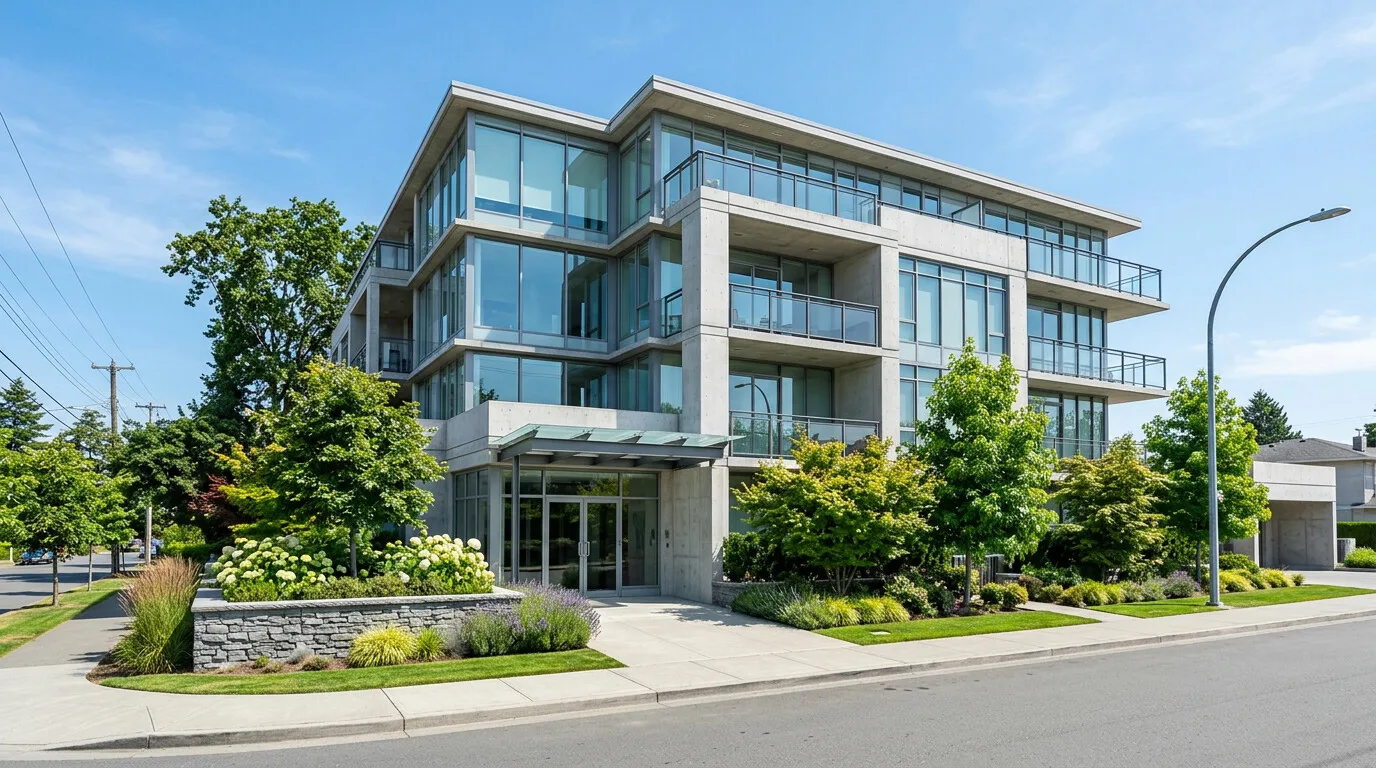
When you buy a condominium in British Columbia, you become part of a strata corporation and pay monthly fees toward the shared costs of the building. These fees cover items like insurance for the building structure, maintenance of common areas, management fees and contributions to the contingency reserve fund.
Compare the budget and services of each strata rather than judging a building by its monthly fee alone. Check which utilities, maintenance items and insurance costs the fee covers, and which expenses remain your responsibility.
The contingency reserve fund is a separate pool of money the strata holds for large, infrequent repairs such as a new roof, elevator servicing or exterior painting. When you review a strata package before an offer, check the size of this fund relative to the building age and known upcoming expenses. A fund that is too small can lead to a special levy, a one-time charge to all owners to cover a shortfall.
Ask your agent to request the strata documents as part of the offer process. These typically include recent meeting minutes, the financial statements, the current and proposed budget, the rules, and any notices of upcoming repair work. Reading these documents is one of the most useful things a condo buyer can do.
Check the current pet, age and short-term rental bylaws. British Columbia removed strata bylaws restricting long-term residential rentals in November 2022. Short-term rentals can still be restricted, and provincial and local requirements may also apply.
If you are considering a condominium in Victoria, Cordova Bay, Oak Bay or elsewhere in Greater Victoria, contact Dane to discuss the specific building and what the numbers look like.
How does a strata set its fees?
Owners approve the annual budget and the strata fees by a majority vote at the annual general meeting. The strata must send the budget with the meeting notice at least two weeks before the meeting. The budget lists the opening balances of the operating fund and the contingency reserve fund, expected income other than fees, itemized expenses, and each lot's monthly contribution.
Fees are normally divided by unit entitlement, a share set for each lot. Within two weeks after a budget passes, owners must be told their new fees. Fees are usually paid monthly. If the strata has no bylaw of its own, Standard Bylaw 1 sets payment on or before the first day of each month.
Sources: Province of British Columbia
What are the contingency reserve fund rules?
The contingency reserve fund pays for expenses that happen less than once a year or do not usually occur, such as roof replacement or road repaving. Since November 1, 2023, a strata must contribute at least 10% of its operating fund budget to this fund when it approves the budget. Many stratas contribute more.
The Province says contributions should take the depreciation report into account. A depreciation report estimates costs over 30 years. Spending from the fund generally needs a 3/4 vote at an annual or special general meeting. Emergency repairs and insurance deductibles are among the exceptions.
When expenses are higher than contributions, the strata has a deficit. The Province says a deficit must be removed in the next fiscal year. The strata can do this with higher fees, a special levy, or a 3/4 vote to use reserve fund money. When you read the budget, ask which of these options the strata chose in the past.
Sources: Province of British Columbia
What does Form B tell a buyer?
Form B is the information certificate for one strata lot. The strata corporation provides it, and the strata council directs the work, often through a property manager. The Province lists items it covers, including the monthly fee, amounts the owner owes, the reserve fund balance, unfiled bylaw amendments, pending court or tribunal proceedings, outstanding work orders, parking and storage, an insurance summary and electrical planning reports.
The strata must provide Form B within 7 days of a request. The most it can charge is $35 plus up to 25 cents per page for copying, and a rush fee may apply when the request gives less than 7 days. Buyers should also ask for the strata's rules, the current budget, the most recent depreciation report if there is one, and all electrical planning reports.
Sources: Province of British Columbia
What do strata insurance and depreciation reports cover?
Every strata corporation must carry property insurance and liability insurance, whatever its size, according to the Province. The property policy covers common property, common assets and the buildings shown on the strata plan, at full replacement value. The liability policy has a minimum of $2 million. Your belongings and, usually, the appliances inside your unit are outside that policy, so owners are advised to buy their own insurance for them.
The Province says a strata corporation’s insurance deductible can range from $100,000 to $750,000 and higher. The strata can pay the deductible from its contingency reserve fund, and it can recover the amount from an owner who is responsible for the loss. An owner’s own policy can include coverage for this cost, so ask your insurer how a deductible charge could be passed to you.
The Province states that strata corporations with five or more strata lots must obtain a depreciation report. Ask for the most recent report when you request the Form B. The guide to downsizing to a condominium or townhome explains what the report covers.
Sources: Province of British Columbia; Province of British Columbia; Province of British Columbia
Questions and answers
What do monthly strata fees pay for?
Monthly strata fees contribute to the strata corporation’s approved common expenses. The Province explains that contributions include the operating fund and contingency reserve fund. Review the particular budget to see which services and costs it includes. Compare that information with costs you pay separately rather than assuming the same fee covers identical items in every building.
Sources: Province of British Columbia
What is the contingency reserve fund?
The contingency reserve fund is a strata fund for common expenses that occur less often than annually or do not usually occur. The Province gives major replacement work as examples. Review the available balance with planned spending and maintenance information. A balance alone cannot answer whether a particular building has prepared adequately for all future work.
Sources: Province of British Columbia
What is a special levy?
A special levy is an additional contribution used to fund a strata corporation’s common expenses through the applicable approval process. The Province distinguishes levies from regular strata contributions, and Form B identifies approved amounts payable for the lot. Ask your advisers to explain the levy, payment dates and how the purchase contract allocates responsibility.
Sources: Province of British Columbia; Province of British Columbia
Which documents help me understand the fee?
The current strata budget and Form B help explain the lot’s regular contributions and other recorded financial information. The Province’s Form B guidance also identifies required attachments, including the most recent depreciation report if one exists. Review these with meeting and maintenance records, then ask for clarification of unresolved costs before deciding whether to proceed.
Sources: Province of British Columbia
Does a lower strata fee make a condominium cheaper to own?
A lower advertised strata fee needs to be compared with what the budget funds and what you pay separately. The Province identifies operating expenses, reserve contributions and special levies as different funding sources. Review the building’s own records and expected work before comparing total ownership costs. The monthly fee alone does not describe every potential expense.
Sources: Province of British Columbia
How can I check parking and storage arrangements?
Check parking and storage using the strata records for the particular lot. The Province’s Form B guidance includes information about allocated parking stalls and storage lockers. Ask your advisers to explain the type and terms of the allocation and any relevant agreements. A space shown during a viewing does not replace verification of the arrangement.
Sources: Province of British Columbia
Can a strata ban long-term rentals?
The Province states that strata corporations cannot use bylaws to restrict or ban long-term residential rentals. Short-term rental restrictions are a separate matter, and other applicable rules still need review. Check current provincial and local requirements, the strata bylaws and the intended use with your advisers before relying on a rental arrangement for a purchase.
Sources: Province of British Columbia
Does a strata home remove maintenance responsibilities?
A strata home changes how some maintenance is organised and funded, while owners continue to contribute to common expenses. The Province describes operating and reserve funds and possible special levies. Review the particular property’s responsibilities, budget and records alongside your own-unit maintenance needs. Shared management should be assessed as part of the home choice and ongoing budget.
Sources: Province of British Columbia
What does a strata corporation’s insurance cover?
A strata corporation must carry property insurance and liability insurance, according to the Province. The property policy covers common property, common assets and the buildings shown on the strata plan, at full replacement value. Your belongings and, usually, the appliances inside your unit are outside that policy, so owners are advised to arrange their own insurance for them.
Sources: Province of British Columbia
Does every strata corporation need a depreciation report?
The Province states that strata corporations with five or more strata lots must obtain a depreciation report, updated on a five-year cycle. The report helps owners plan and pay for the repair, maintenance and renewal of common property and assets over 30 years. Owners can no longer defer it with an annual three-quarter vote. Ask for the latest report before you make an offer on a strata home.
Sources: Province of British Columbia
Sources
Check the current official information for the address and decision you are considering.
- Budgeting and strata fees ↗Province of British Columbia. Checked November 15, 2026.
- Form B Information Certificate ↗Province of British Columbia. Checked November 15, 2026.
- Short-term rental bylaws ↗Province of British Columbia. Checked November 14, 2026.
- Strata corporation insurance ↗Province of British Columbia. Checked November 15, 2026.
- Depreciation reports ↗Province of British Columbia. Checked November 15, 2026.
Article references
For current information about buying or selling in Greater Victoria, contact Dane.