 Real Estate TeamLet's talk
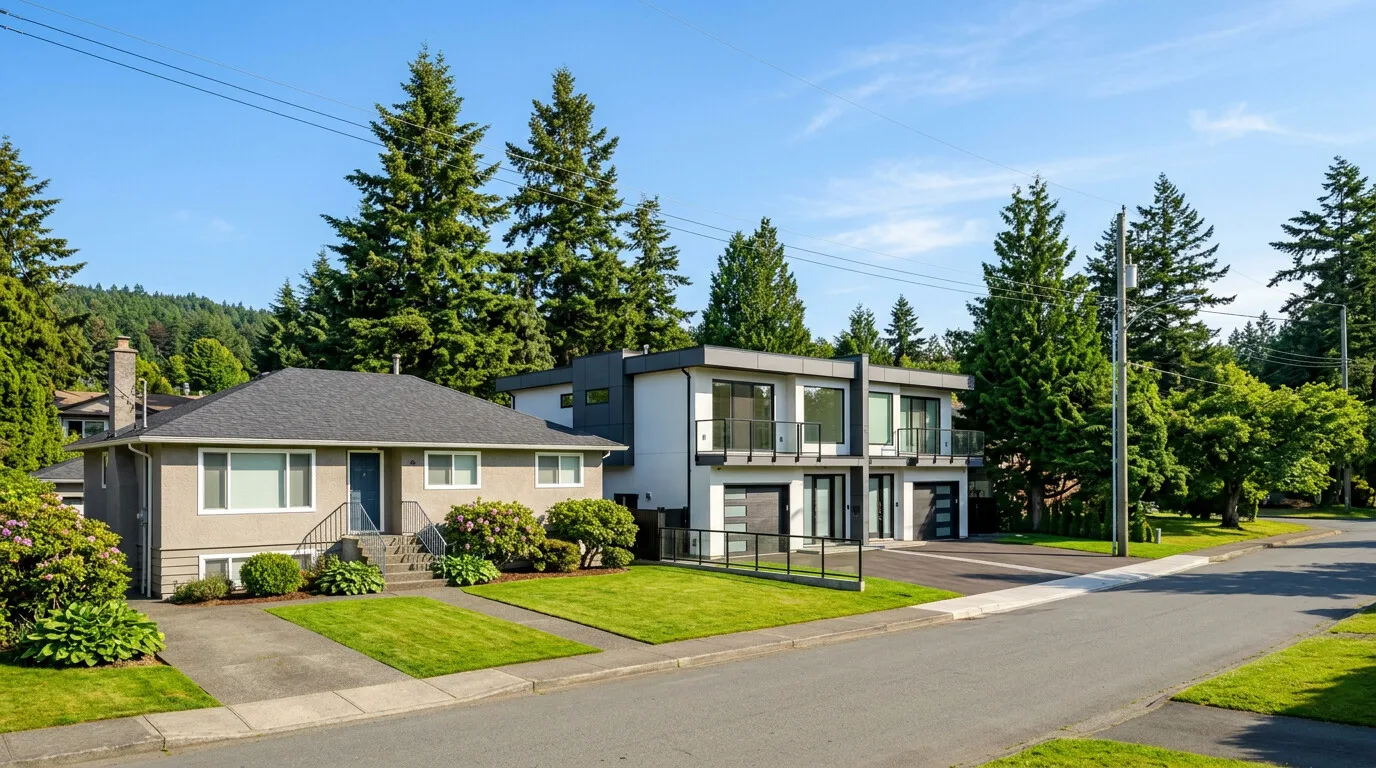
Saanich has changed zoning rules to allow small-scale multi-unit housing in eligible residential zones. A property search should check the current zoning and site requirements for the exact parcel.
The District of Saanich guide, updated in May 2026, describes permission for three, four or six homes on eligible lots, depending on size and location. This is broader than permission for a secondary suite alone. The zoning rules do not by themselves confirm that a particular design will be approved.
Before planning a suite or redevelopment, ask Saanich to confirm the applicable zone, permitted housing forms, setbacks, servicing and application requirements. Existing structures and other site conditions also need review.
For buyers, check the permitted use before relying on future rental income, a second home or a redevelopment proposal. A listing description should be followed by parcel-specific records and appropriate professional advice.
The team can help you identify the property information to request. Confirm planning and construction questions with the District and qualified advisers before making a commitment.
What does the Official Community Plan do?
The District of Saanich calls its Official Community Plan the primary guidance among its community plans and policies, and a framework for how Saanich will grow and change. The updated plan was adopted on May 7, 2024. It contains policy to inform decisions by Council, staff and the public, and it sets Development Permit Areas that regulate matters such as building design, site design and protection of the natural environment.
Plan changes follow a formal process that includes a public hearing. The Local Government Act requires a full update every five years. Local Area Plans are adopted by Council resolution and are separate from the plan bylaw. The District's page does not say that the plan decides a rezoning, so a policy direction in the plan can prompt questions for the District. Zoning permission is a separate matter.
Sources: District of Saanich; District of Saanich
Why should I read the title before I plan?
A parcel's title lists the charges registered against it. The Land Title and Survey Authority of BC defines a charge as an interest in land, such as a mortgage, statutory right of way, easement or covenant. An easement gives a neighbour or another party a limited right to use your land, for example a driveway that crosses it. A statutory right of way lets a public body install and maintain services such as pipes or cables. A covenant can limit what an owner may do on the land.
Any of these can affect a suite, an addition or a new building even when zoning allows it. The parcel's legal description and its nine-digit parcel identifier (PID) let your legal professional find the right title. Ask for the title and every registered document before you rely on a plan for the property.
What should I bring to the District of Saanich?
Collect these items before you ask Saanich about a proposal. The Kingsbury team can help you gather property information, and the District and your advisers confirm the answers.
- The exact street address, the legal description and the PID.
- A plain description of what you want to build or change, with approximate size.
- The title and any registered charges, with copies of each document.
- The Development Permit Areas that apply to the parcel, if any.
- Written answers from the District, with the date you received them.
Sources: District of Saanich; Land Title and Survey Authority of BC
Questions and answers
Where should I start a Saanich planning check?
Start a Saanich planning check with the exact address, current parcel information and the proposal you want to investigate. The District’s OCP page identifies planning directions, other documents and development permit areas. Ask municipal staff which current zoning and permit requirements apply before relying on a broad description of housing policy or a nearby project.
Sources: District of Saanich
Does the Official Community Plan approve a project?
An Official Community Plan provides policy directions for growth and land use. A particular project still needs review of applicable zoning, permit requirements and site conditions. Saanich’s OCP information identifies development permit areas and other planning documents. Ask the District which approvals apply to your defined proposal and distinguish policy context from an issued permission.
Sources: District of Saanich
Should I use a local area plan or the OCP?
Use Saanich’s current OCP information together with any local planning documents relevant to the address. The OCP page states that Local Area Plans are adopted by Council resolution and are separate from the OCP Bylaw. Ask municipal staff how the documents apply to the specific property rather than selecting one older plan as the complete answer.
Sources: District of Saanich; District of Saanich
Can I infer permission from another home on the street?
A nearby home or project does not confirm permission for your own proposal. The exact parcel, current zoning and other requirements need review. Saanich identifies planning documents and development permit areas that can affect property work. Obtain current municipal information for your address and ask qualified advisers to investigate the proposal’s technical and legal assumptions.
Sources: District of Saanich
Why should I review the title as well as planning policy?
The title and its registered documents answer different questions from municipal planning policy. LTSA explains registered interests such as covenants, easements and statutory rights of way. Have a legal professional review the actual documents for the property. A proposed use should be investigated against both applicable municipal requirements and any relevant registered interests.
Does a map marker show a legal property boundary?
A general area-map marker is an orientation point and does not establish a legal parcel boundary. LTSA distinguishes land-title records and survey plans from other property information. Obtain the appropriate records and qualified survey advice where boundaries affect a proposal. A community map on this website should not be used to measure a lot or establish development entitlement.
Can the team confirm a development cost or completion date?
A development cost or completion date needs a defined proposal and information from the professionals and authority responsible. Saanich’s planning guidance describes policy and permit considerations rather than a guaranteed site outcome. Kingsbury can discuss the real estate transaction and identify questions, while municipal staff, designers, contractors and lenders assess their respective parts of the proposal.
What should I provide when discussing a potential site?
Provide the municipality, property address, current use and whether you intend to buy or sell when discussing a site with Kingsbury. The team works with buyers and sellers of development sites, and its own description of David says his experience includes multi-family development sites. List the documents available and their current status. Agree on a private process before sharing confidential plans, financial records or another owner’s information.
Sources: Kingsbury Real Estate Team
Sources
Check the current official information for the address and decision you are considering.
- Kingsbury team and service information Kingsbury Real Estate Team. Checked November 13, 2026.
- Official Community Plan ↗District of Saanich. Checked November 14, 2026.
- Local area and action plans ↗District of Saanich. Checked November 13, 2026.
- Land record terms ↗Land Title and Survey Authority of BC. Checked November 14, 2026.
Article references
For current information about buying or selling in Greater Victoria, contact Dane.